From the 2021 Foghorn
“3.11 – Ten Years On” We mark the 10-year anniversary of the Great East Japan Earthquake of March 11, 2011, which spurred a tsunami, a meltdown at the Fukushima Daiichi Nuclear Power Plant, and mass destruction and loss of life along Japan’s east coast. The Japanese Tsunami has been on my radar regularly.
As an avid beachcomber I remember displays of Tsunami debris becoming part of the Fun Fair and guests bringing finds to the Museum along with a question about radioactivity. At one point that was a common enough inquiry we considered buying a Geiger counter for the Museum, but science and education prevailed, and that fear subsided.
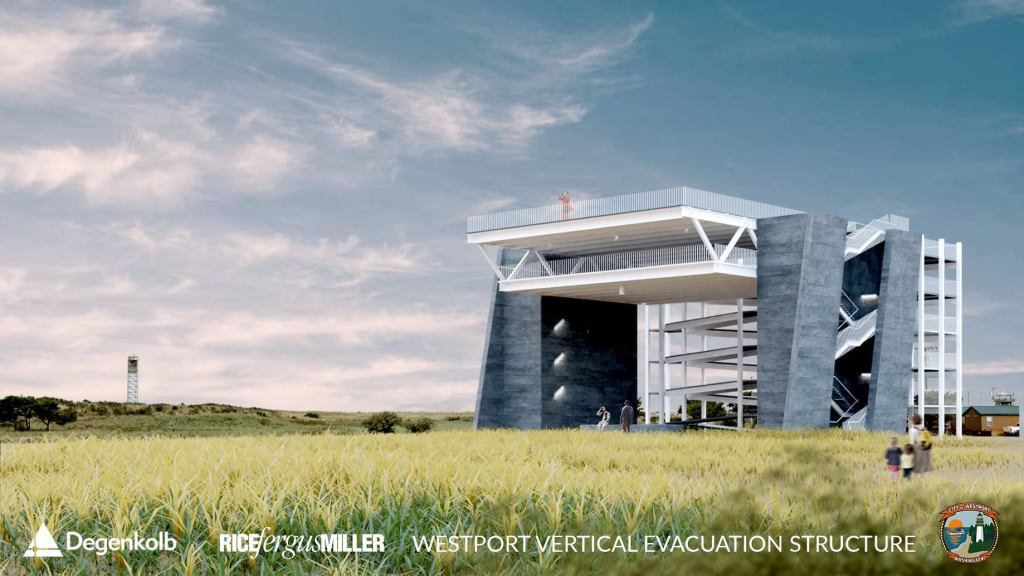
In my role with the Society, I became involved in the local Tsunami Safety Committee in 2017. An offshoot of a broader committee to consider local requests for an event location were joined at the beginning with a discussion of possible Tsunami evacuation structure. The new Ocosta School was a shining star on the National Stage as an example of preparedness in a coastal community. In time, Tsunami Safety Committee became its own path and cut to 2020 the City of Westport has a chance to create another forward-thinking structure in what is referred to as the VES (Vertical Evacuation Structure). Historically this will be as significant as the jetties, Lighthouse, and Ocosta School in terms of infrastructure on the South beaches.
As reported by the American Society of Mechanical Engineers: “Japan’s network of tsunami shelters includes structures built specifically for that job, along with renovated schools and other public buildings to provide temporary shelter for large numbers of evacuees. The structures can take many forms, from simple steel platforms to elaborately appointed structures that serve year-round public purposes when not in use as shelters.” (ASME).
As the Institute of Geological and Nuclear Sciences (2012) study concludes: “The use of vertical evacuation buildings has undoubtedly shown its value in providing safe refuge during the Great East Japan tsunami. In the locations visited during this research, 37 designated buildings provided refuge to at least 5428 people. The use of buildings is not a replacement for evacuation to high ground, but it does provide effective alternative options to those unable to evacuate the inundation zone prior to tsunami arrival. Key lessons can be learnt from the experience of March 11th, for implementation in current development of vertical evacuation projects in New Zealand and Washington.”
Westport’s proposed VES specifically addresses the issue of distance to safe ground creating an option for business’s, citizens, and guests of the Marina District and Port of Grays Harbor. The walking models as outlined in the “Project Safe Haven” and updated FEMA cost benefit analysis includes Westport VES site out to Ocean Ave in an emergency evacuation.
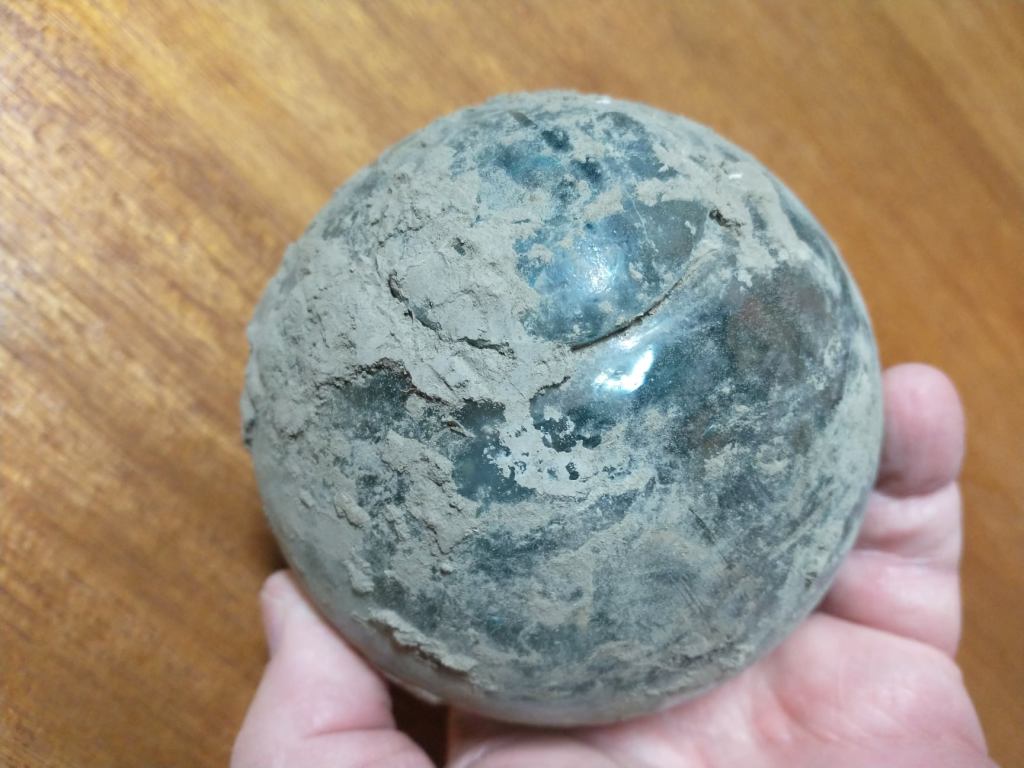
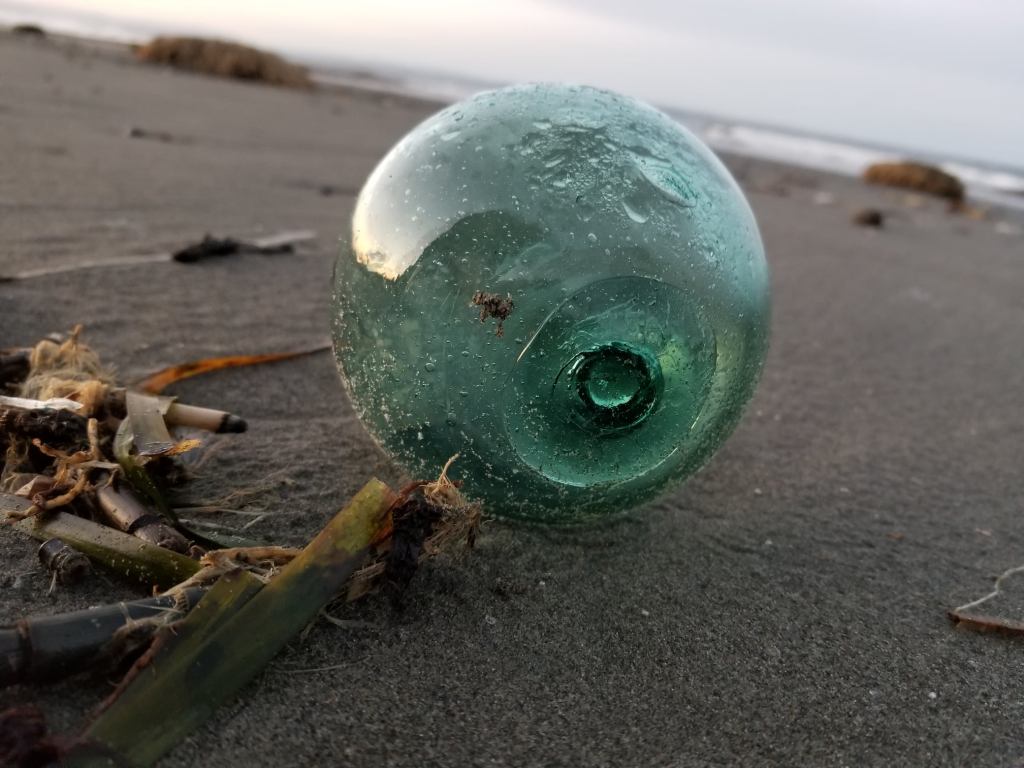
More recently I found another connected to “3.11” . I am one of the folks who engrave our floats for #wildfloats2021. We buy floats imported from Japan, real working floats, that are in many cases items that have been salvaged during the years of post-Tsunami clean up. I pick out a float with a layer of dried mud and cannot help making a connection. This float, that ended up being swept into a muddy debris field as a coastal fishing village was sept away, has made its way across the Pacific to another fishing “village”. It’s in my hand, and I think about how it will lose that layer of Japanese mud when it hits the water again and becomes a beachcombed treasure for someone. I hope that connection rubs off and reminds us to be aware, forward thinking and supportive of the local efforts towards preparedness. We are that fishing village as well.

 The Museum Guy